

Period pain and cramps are common experiences for many women during menstruation. The discomfort may range from mild abdominal cramps to pain that affects daily activities, sleep, and mood. Although rest and appropriate medical care are important, gentle physical activity may also help ease menstrual discomfort.
Certain exercises can relax tense muscles, improve mobility, and support emotional well-being. The key is to choose movements that feel comfortable and adjust the intensity according to your energy levels. Here are seven exercises that may help you manage period pain more comfortably.
1. Swimming
Swimming is a low-impact activity that allows you to move your body without putting excessive pressure on your joints. Gentle swimming may help relax the muscles, improve circulation, and reduce stress during menstruation.
If you feel comfortable swimming during your period, choose an easy pace rather than an intense workout. Stay hydrated and stop if you experience dizziness, unusual weakness, or increased pain.
2. Gentle Stretching
Stretching can help release muscle tension and improve flexibility. During menstruation, gentle movements may be particularly helpful if you experience tightness in your lower back, hips, or abdominal area.
You can try the cat-cow stretch, which involves gently arching and rounding your back, or a modified cobra pose if it feels comfortable. Move slowly, breathe naturally, and avoid forcing your body into a position that causes pain.
3. Pilates
Pilates focuses on controlled movements, posture, breathing, and core strength. Gentle Pilates exercises may help improve body awareness and ease muscular tension around the lower back and pelvis.
During your period, choose beginner-friendly movements and avoid exercises that put uncomfortable pressure on your abdomen. Short sessions may be more manageable than demanding workouts, particularly on days when cramps and fatigue are more noticeable.
4. Yoga
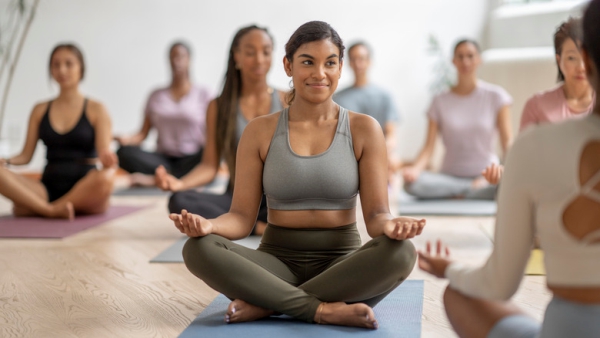
Yoga combines gentle movement, breathing techniques, and relaxation. It may help some women manage menstrual discomfort by reducing stress and relaxing tense muscles.
Comfortable poses, such as Child’s Pose, a gentle seated forward bend, and supported reclining positions, may be worth trying. Slow breathing can also help you feel calmer when cramps occur.
However, yoga does not cure every menstrual problem. Choose poses that suit your comfort level and avoid deep stretches or demanding postures when your body needs rest.
5. Walking
Walking is one of the simplest ways to remain active during menstruation. A gentle walk may improve your mood, reduce stress, and help you feel less stiff when you have been sitting for long periods.
Start with 10–15 minutes at a comfortable pace and increase the duration only if you feel well. You can walk indoors or outdoors, depending on your energy levels and preference.
If your cramps become stronger, slow down or rest. There is no need to push yourself through severe discomfort.
6. Malasana (Garland Pose)
Malasana is a traditional yoga squat that gently stretches the hips, inner thighs, and pelvic area. Some women find this position relaxing when they experience tightness around the hips and lower back.
To practise it, stand with your feet slightly wider than hip-width apart and lower yourself into a comfortable squat. Keep your heels supported if necessary, and place your hands together in front of your chest for balance.
Use a cushion or yoga block for support if needed. Avoid this pose if it causes knee, ankle, or pelvic pain. Although Malasana may improve flexibility, it has not been established as a way to balance hormones or treat menstrual disorders.
7. Hanumanasana (Monkey Pose)
Hanumanasana is an advanced yoga pose involving a deep split that stretches the hamstrings, hip flexors, and surrounding muscles. It requires considerable flexibility and should not be attempted without suitable preparation.
If you are experienced in yoga, gentle preparatory stretches may help maintain flexibility. However, a full Hanumanasana is not necessary for managing period pain and may cause injury if forced.
During menstruation, consider gentler alternatives, such as supported lunges or mild hip stretches. Never push through sharp pain or excessive pulling.
Additional Tips for Managing Period Pain
Along with gentle exercise, a few everyday habits may help you feel more comfortable during your period:
- Use a heating pad: Applying comfortable warmth to your lower abdomen may help ease cramps.
- Drink enough water: Staying hydrated supports general well-being.
- Get adequate rest: Allow yourself time to recover when fatigue is noticeable.
- Eat balanced meals: Include fruits, vegetables, whole grains, and sources of protein and iron.
- Track your symptoms: Recording pain levels and menstrual patterns can help you recognise changes and discuss them with a healthcare professional.
Exercise affects everyone differently. If your pain is severe, suddenly worsens, interferes with everyday activities, or is accompanied by unusually heavy bleeding, fever, or fainting, seek medical advice. You do not need to rely on exercise alone when additional care may be necessary.
Conclusion
Gentle swimming, stretching, Pilates, yoga, walking, and suitable yoga poses may help some women manage period discomfort and maintain their daily routines. Start slowly, listen to your body, and choose movements that feel comfortable rather than forcing yourself to complete a workout.
For persistent or severe menstrual pain, professional evaluation can help identify possible underlying causes and guide appropriate treatment.
About Hashmi Dawakhana
Hashmi Dawakhana is located at Qazi Zada Street, Amroha–244221, Uttar Pradesh, India. It provides care for a range of men’s and women’s health concerns, including sexual and reproductive health, diabetes, general health, and immunity-related issues. Special care is provided for concerns such as premature ejaculation, difficulty with erection, sexual weakness, reduced libido, women’s intimate health problems, and difficulties related to conception.
Patients who have not experienced relief even after seeking treatment from several places can visit Hashmi Dawakhana for better guidance and treatment. You can visit the clinic to obtain medicines or take advantage of the facility to order medicines online from home. Ayurvedic and Unani medicines are available and are prepared with good quality standards and scientific methods.
Health Consultation:
Looking for trusted health guidance? Call or WhatsApp at this number +91-9058577992 today for a FREE consultation with our health doctors. Your privacy, dignity, and well-being are our priority.