

Understanding Hair Loss in Women
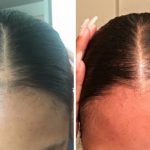
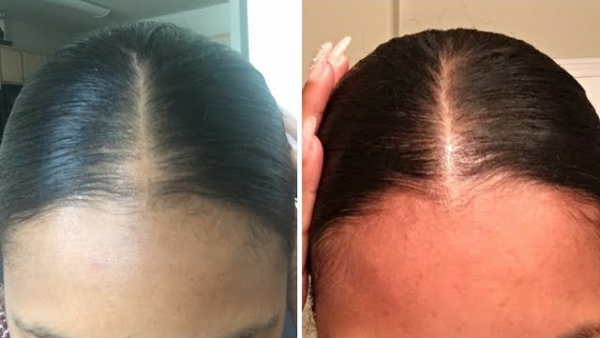
Hair loss is a common concern among women and may become more noticeable during seasonal changes, including the monsoon. However, hair thinning and excessive shedding can occur at any time of the year. Men can also experience hair loss, but this article focuses on women and the natural ways they can support healthier hair.
Several factors may contribute to hair loss, including hormonal changes, stress, illness, certain medications, nutritional deficiencies, and family history. Tight hairstyles, excessive heat styling, and harsh hair treatments may also contribute to hair breakage.
Small bald patches can develop for different reasons, so identifying the underlying cause is important. Natural remedies and home care may help maintain scalp health and reduce hair damage, but they cannot guarantee new hair growth in every case.
1. Avoid Excessive Heat Styling
Frequent use of hair straighteners, curling irons, and hot combs can weaken hair strands and increase breakage. Allow your hair to dry naturally whenever possible, and use a low heat setting when styling is necessary.
Choose gentle shampoos and avoid vigorous rubbing, pulling, or brushing wet hair. Loose hairstyles can also reduce tension on the hair roots. These simple habits help protect existing hair and maintain its natural strength.
2. Improve Nutrition for Healthier Hair
Healthy hair requires adequate protein, vitamins, minerals, and other nutrients. A lack of iron, zinc, or certain vitamins may contribute to hair shedding, depending on the individual.
Include protein-rich foods such as eggs, lentils, beans, yogurt, and nuts in your daily meals. Leafy green vegetables, carrots, seasonal fruits, and seeds can provide additional nutrients. A balanced diet supports overall health and helps create suitable conditions for normal hair growth.
If hair loss continues, consult a healthcare professional about possible nutritional deficiencies. Supplements should be taken when needed and in appropriate amounts rather than used unnecessarily.
3. Try Gentle Scalp Massage and Natural Oils
A gentle scalp massage may improve relaxation and support a comfortable scalp-care routine. Coconut oil can help reduce friction and protect hair from some types of damage.
Rosemary and lavender essential oils are also used in traditional hair-care practices. Some research suggests that rosemary oil may have potential benefits for certain types of hair loss, but the evidence remains limited. Essential oils must always be diluted in a suitable carrier oil before application.
Perform a patch test before using any new product, and stop if irritation occurs. Avoid applying concentrated essential oils directly to the scalp, particularly if the skin is sensitive or inflamed.
4. Manage Stress and Maintain Healthy Habits
Physical or emotional stress may trigger temporary hair shedding in some people. Regular exercise, adequate sleep, breathing exercises, yoga, and meditation can help support emotional well-being.
Try to maintain a consistent daily routine and allow enough time for rest. Hair growth takes time, so avoid frequently changing treatments or expecting immediate results.
5. Explore Natural Remedies Responsibly
Ayurveda and Unani medicine offer traditional approaches to general wellness and hair care. Herbal preparations containing suitable medicinal plants may support scalp care when prepared with genuine ingredients and appropriate quality controls.
Choose pure, clearly labelled herbal products from reliable sources. Natural does not automatically mean safe, and some preparations may cause allergies or interact with medicines.
Fresh fruits, vegetables, and natural drinks such as water or unsweetened fruit smoothies can contribute to a balanced diet. However, no particular drink or herb can independently guarantee hair regrowth on bald patches.
6. When Should You Seek Medical Advice?
Sudden hair loss, rapidly expanding bald patches, scalp pain, redness, or severe itching should be assessed by a healthcare professional. Persistent shedding may require evaluation for hormonal conditions, nutritional deficiencies, or other medical causes.
Early assessment can help identify appropriate treatment options. Natural care may complement professional advice, but it should not replace necessary medical treatment.
Conclusion
Healthy hair begins with gentle care, balanced nutrition, stress management, and attention to scalp health. Home remedies, medicinal herbs, and traditional Ayurvedic or Unani preparations may offer supportive benefits when used responsibly. Choose quality products, avoid exaggerated claims, and seek professional guidance when hair loss persists or bald patches appear.
About Hashmi Dawakhana
Hashmi Dawakhana is located at Qazi Zada Street, Amroha–244221, Uttar Pradesh, India. It provides care for a range of men’s and women’s health concerns, including sexual and reproductive health, diabetes, general health, and immunity-related issues. Special care is provided for concerns such as premature ejaculation, difficulty with erection, sexual weakness, reduced libido, women’s intimate health problems, and difficulties related to conception.
Patients who have not experienced relief even after seeking treatment from several places can visit Hashmi Dawakhana for better guidance and treatment. You can visit the clinic to obtain medicines or take advantage of the facility to order medicines online from home. Ayurvedic and Unani medicines are available and are prepared with good quality standards and scientific methods.
Health Consultation:
Looking for trusted health guidance? Call or WhatsApp at this number +91-9058577992 today for a FREE consultation with our health doctors. Your privacy, dignity, and well-being are our priority.